IoT: see how the Internet of Things is already part of companies' daily routine
An increasingly connected world keeps running into new technologies. One of them is IoT — the Internet of Things. Today it is fair to say this is a consolidated concept, one that has stopped being a thing of the future. But how is IoT evolving, and in what ways is it being used across such different areas? TriggoLabs, a Brazilian startup focused on experience, innovation, Service Design Thinking, UX and UI, works with platforms that help manage the technological revolution large companies need, and leads important innovations in this segment. In this article, it offers a 360º view of the advance of connectivity.
First, it is important to explain that IoT covers devices connected to the internet in order to generate automation, with a structure built on three pillars: Edge, or the border of the network, in a literal reading, is responsible for capturing data using artificial intelligence — it runs analyses, identifies patterns and triggers an action; communication/network, which transports and processes that information; and the platform, the systems, programs and mechanisms created to interact with the data generated, enabling the ingestion of that information, that is, the absorption of this content for perfect application. The platform is where TriggoLabs operates, as a partner company in applying this technology across the most diverse fronts.
“One important point to understand is that IoT is already here, and no longer a ‘technology of the future’. There are already major projects and success cases, in areas such as healthcare, industry, agribusiness and, above all, telecommunications. 5G, for example, is a topic that leverages the technologies behind IoT. So the outlook for 2024, with this connection model already available, is one of accelerated growth. The digital interconnection of objects has already proven its value and can only evolve as data transmission quality advances with the fifth-generation technology standard. For company leaders, the warning is clear: how not to fall behind and how to step into this new era. That is where our work comes in”, explains Matheus Barreto, Innovation Director at TriggoLabs.
The executive lists the role of the Internet of Things in some of the most diverse sectors:
IoT in Industry
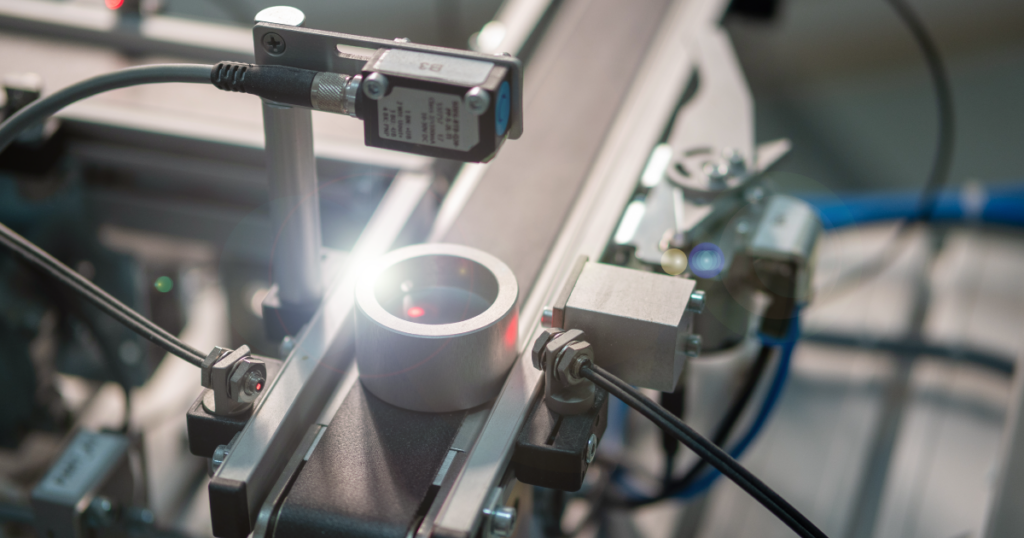
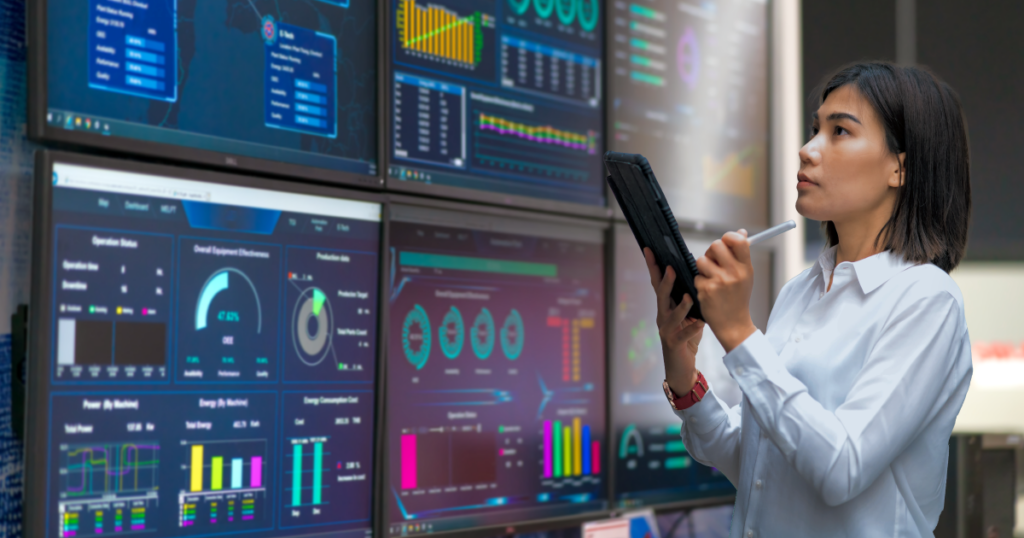
In Industry, the Internet of Things arrives to compete with something that has been around for more than 30 years: the PLC (Programmable Logic Controller), a computer designed to control and automate specific processes, machines or even entire production lines, which monitors, makes decisions and commands the state of the devices under its control. With IoT, all of this can be done by connecting equipment, tools, machines and other objects on a production line using sensors and chips that transmit the data those sensors capture. This is what is known as “Industry 4.0”, a genuine revolution in the sector, capable of connecting, generating data and bringing market intelligence to things that were previously offline. This approach allows for more automation, monitoring and efficiency, which supports decision-making and the real-time correction of problems that disrupt how systems run.

IoT in Healthcare
Healthcare is one of the areas that benefits most from IoT. With IoMT, short for Internet of Medical Things, it is possible to connect patients, doctors and devices — such as hospital and diagnostic equipment — to transmit information over a secure network. Sensors are used to collect data that supports patient well-being, generating indicators to monitor hospital-acquired infections and life-threatening risks, for example. It is also possible to classify diagnoses and assess the risks a patient might face in certain exams. It offers an advanced level of surveillance, generating precise clinical data, which can save lives.
Among the main gains for companies are cost control and improved patient monitoring — since critically ill people can be followed remotely, 24 hours a day — as well as the possibility of performing procedures with more modern, minimally invasive techniques, creating easier and more centralized control and giving doctors new technologies, such as robotic surgical assistants, along with complete, high-resolution digital imaging systems.
IoT in Agriculture
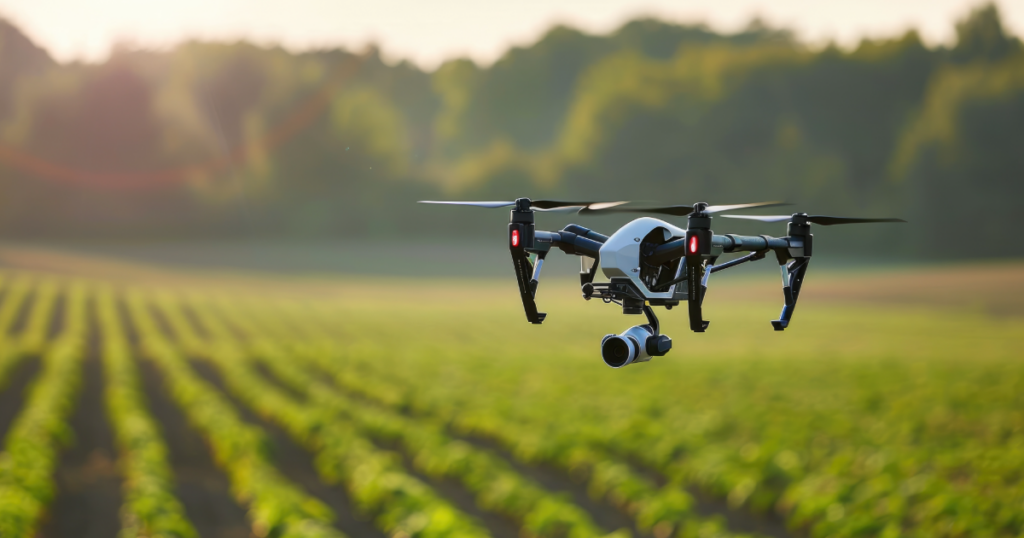
In agriculture, IoT is also used to provide full mapping of land areas using several connected elements, whether in the soil, with irrigation sensors for example, or even in the air, through the use of drones, to determine whether the land is at the right point for planting, harvesting or earthmoving, in addition to controlling soil quality and caring for biodiversity. With automated harvesters, IoT can already be used in the process of picking and sorting fruit, with complete real-time information and separation of what is harvested.
With telemetry, it is possible to control and manage even the fuel consumption of machines. On top of that, with intelligent robots and automated machines, the technology is used for indoor farming, covering garden planning, seed planting, weed and pest control, watering, among other possibilities that optimize the entire procedure.
In livestock farming, Bluetooth Low Energy (BLE) is a technology already widely used to add chips to animals, which can be embedded in BLE ear tags or collars, helping to store important information about animal health, GPS location or vaccination records, among other possibilities. All of it perfectly connected to the Internet of Things in complete harmony.
IoT in Telecommunications
With IoT, telecommunications companies are developing new technologies that help them learn more about the profile of the audience they reach. For example, one of the sector's major players operating in Brazil has a partnership with a car manufacturer and supplies chips so that vehicles leave the factory already connected to the company. This makes it possible to offer interactivity and connectivity to the customer while also capturing information relevant to the company's growth, such as which regions have the highest demand for internet, who the company's target audience is for advertising purposes, or even which areas are more saturated and need greater attention, with more antennas, for instance. Analyzing this scenario is extremely relevant for the Telecom sector, which is already directly tied to the evolution of the internet, as providers are, allowing them to improve the technology and open up even more possibilities.
And that is without mentioning wearables, smart homes, portable sensors and much more — IoT applications that connect devices and human activities, generating data, interaction and a wealth of possibilities.
About TriggoLabs
TriggoLabs is a Brazilian company focused on innovation, Service Design Thinking, UX and UI, offering different solutions to foster and design digital transformation. By its very nature, it is a living company, one that reinvents itself and evolves. Disruptive and always ahead of transformation, it is the sum of knowledge and attitude, the blend of the rational and the intuitive.